The Questions Your Kid's Trainer Hopes You Don't Ask
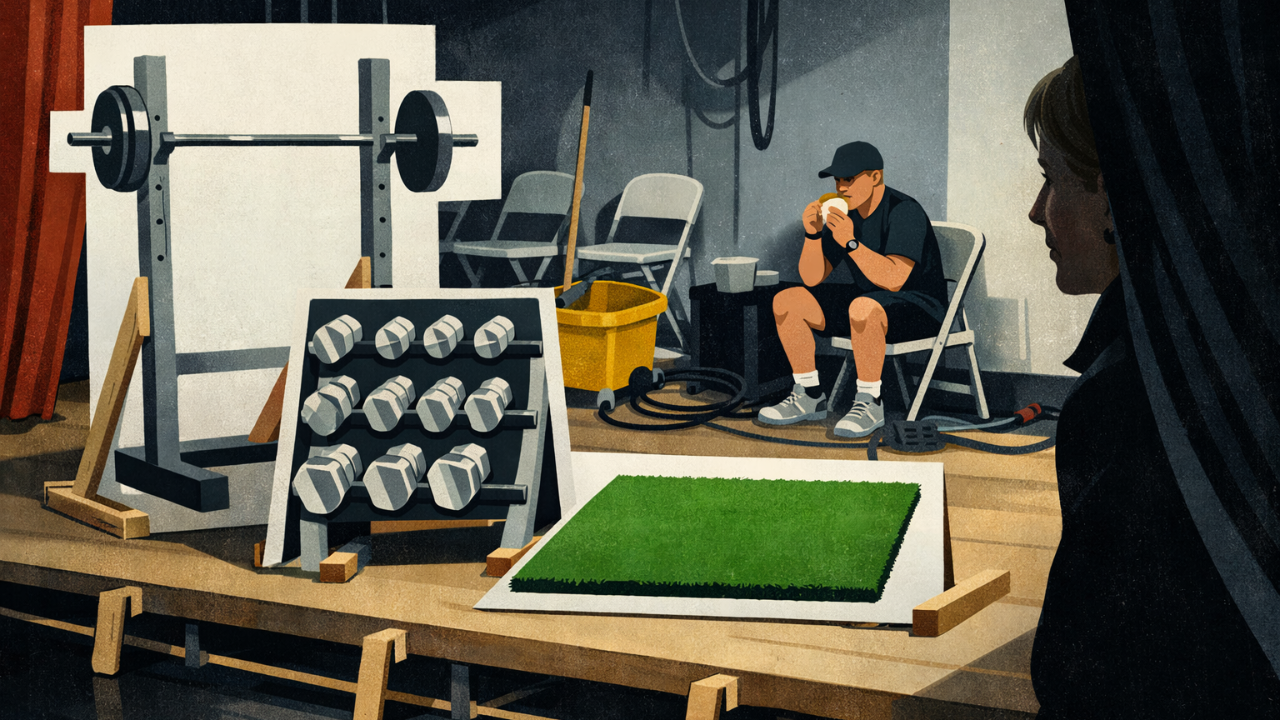
Your daughter's club coach says she needs to "get faster." A parent from the team mentions a place off I-25 where their kid has been training. You Google "sports performance training Denver" and suddenly you're staring at fifteen different facilities, all promising to unlock your athlete's potential. They've all got highlight reels. They've all got testimonials. They've all got some version of the word "elite" in their marketing copy.
So how do you actually tell the difference?
After nearly two decades of training athletes in the Denver metro area, we've watched this industry explode. That growth has brought some excellent coaches into the fold. It's also flooded the market with facilities that prioritize aesthetics over outcomes, Instagram content over athlete development, and generic programming over individualized coaching. The problem is, most parents don't know what to look for, and the facilities themselves aren't exactly eager to help you figure it out.
Here's what actually matters:
Does the coach see your kid, or just another body in the class?
Group training isn't inherently bad. But there's a difference between a coach who runs a session and a coach who coaches athletes. Watch a trial session closely. Is the coach offering specific corrections, or just counting reps and calling out generic encouragement? Does the warm-up look the same for every kid regardless of their movement quality, injury history, or sport demands?
A good performance coach treats movement like a language. Your athlete needs to learn the vocabulary before they can write sentences. If a facility is throwing your eighth-grader into complex plyometrics or Olympic lifts on day one because it looks impressive, that's a red flag. Progression should be earned, not assumed.
Can they explain the "why" behind the program?
Ask the coach: Why this exercise? Why this volume? Why this progression? If the answer is vague, or worse, defensive, move on.
The best coaches in this industry are educators. They want you to understand the process because they know that buy-in from both the athlete and the parent leads to better outcomes. If a facility treats their programming like a proprietary secret, or if they can't articulate why they're doing what they're doing in plain language, that's not sophistication. That's either insecurity or a lack of depth.
What's their actual track record?
Testimonials are easy to manufacture. Highlight reels are curated. What you want to know is: What happens to athletes who train here over time? Not just the stars who were going to succeed anyway, but the kids who came in with limitations, weaknesses, or modest athletic backgrounds. Did they get better? Did they stay healthy? Did they develop a foundation that transferred to their sport?
In the Denver area, you'll find facilities that have trained professional athletes. That's worth noting, but it's not the whole picture. Elite athletes often succeed despite subpar training because their genetic ceiling is so high. The real test is what a facility does with the athletes who need development the most. Ask how they've helped kids who weren't already ahead of the curve.
Do they assess before they prescribe?
If a facility lets your athlete walk in and start training without any kind of movement screen, intake evaluation, or conversation about injury history, that's a problem. You wouldn't expect a physical therapist to start treatment without an assessment. Performance training shouldn't be any different.
The assessment doesn't need to be elaborate. But there should be something. A conversation about training background, sport demands, and goals. A basic movement screen to identify restrictions or asymmetries. Some baseline testing to measure where the athlete is starting. Without this, the training is just guesswork dressed up as expertise.
Are they chasing trends or building foundations?
Every few years, the performance training industry latches onto something new. Battle ropes. Altitude masks. The latest recovery gadget. Some of these tools have legitimate applications. Many are glorified distractions.
The fundamentals of athletic development haven't changed. Strength, power, speed, movement quality, and work capacity still form the foundation. If a facility's marketing is built around whatever's trending on social media rather than these unchanging principles, be skeptical.
The best programs aren't flashy. They're consistent, progressive, and boring in all the right ways.
A note for Denver-area parents specifically
The Front Range has become a hotbed for youth sports, which means the demand for performance training has skyrocketed. That demand has created opportunity for excellent facilities, but also for operations that are better at marketing than actually coaching.
If you're in Centennial, Highlands Ranch, Lone Tree, Parker, or the surrounding areas, you have options. Use that to your advantage. Visit multiple facilities. Watch sessions. Ask hard questions. A good coach will welcome the scrutiny because they have nothing to hide.
Your kid's athletic development is too important to outsource to whoever has the best Instagram presence. Take the time to find a place that earns your trust.
Author